iowa dermatology
treatment tips
patient info
our services
cosmetic products
policies
hours & location
patient resources
our providers
faq's
contact us
back home
dr. jennifer palmer
WART TREATMENT
We suggest that you try this at home treatment before making an appointment. If you do have any questions, we invite you to call us.
1. Soak wart in warm water for 10 to 15 minutes. Take out and pat dry.

2. Pare down softened skin gently with either emery board or pumice stone until all softened tissue is removed.

3. Apply wart medication (Occulusal-HP, Occlusal, Duofilm, Duoplant) to wart.

4. Allow medication to dry completely. It will usually turn a white, chalky color when completely dry.

5. Cover wart with a piece of Blenderm tape, to be left on until the next time the wart is treated.

6. Continue this treatment nightly. More than likely, you will come to a point in time when the skin surrounding the wart is irritated. When this occurs, wart treatment should be discontinued for several days, until the surrounding skin has recovered. Then reinstitute wart treatment, as given above. You may find that you are only able to tolerate this several nights on, several nights off, or on an every other night basis.

7. You will find the wart will gradually decrease in size. If small enough at the time of your next appointment, a decision will be made to either continue this form of wart treatment or to institute additional treatment modalities.

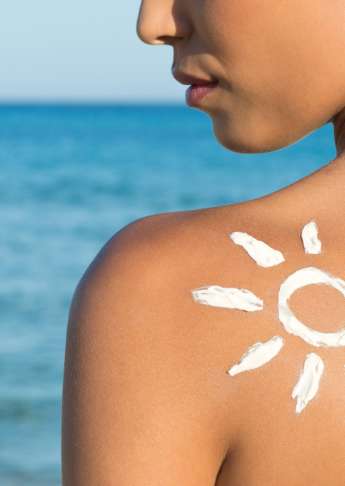
SIMPLE GUIDELINES TO HELP PROTECT YOU FROM THE DAMAGING RAYS OF THE SUN
Brought to you by The Skin Cancer Foundation
1. Minimize sun exposure during the hours of 10 a.m. to 4 p.m. when the sun is strongest. Try to plan your outdoor activities for the early morning or late afternoon.
2. Wear a hat, long-sleeved shirts and long pants when out in the sun. Choose tightly-woven materials for greater protection from the sun's rays.
3. Apply a sunscreen before every exposure to the sun, and reapply frequently and liberally, at least every two hours, as long as you stay in the sun. The sunscreen should always be reapplied after swimming or perspiring heavily, since products differ in their degrees of water resistance. We recommend sunscreens with an SPF (sun protection factor) of 15 or more printed on the label.*
4. Use a sunscreen during high altitude activities such as mountain climbing and skiing. At high altitudes, where there is less atmosphere to absorb the sun's rays, your risk of burning is greater. The sun also is stronger near the equator where the sun's rays earth most directly.
5. Don't forget to use your sunscreen on overcast days. The sun's rays are as damaging to your skin on cloudy, hazy days as they are on sunny days.
6. Individuals at high risk for skin cancer (outdoor workers, fair-skinned individuals, and persons who have already had skin cancer) should apply sunscreens daily.
7. Photosensitivity - an increased sensitivity to sun exposure - is a possible side effect of certain medications, drugs and cosmetics, and of birth control pills. Consult your physician or pharmacist before going out in the sun if you're using any such products need to take extra precautions.
8. If you develop an allergic reaction to your sunscreen, change sunscreens. One of the many products on the market today should be right for you.
9. Beware of reflective surfaces! Sand, snow, concrete and water can reflect more half the sun's rays onto your skin. Sitting in the shade does not guarantee protection burn.
10. Avoid tanning parlors. The UV light emitted by tanning booths causes sunburn and premature aging, and increases your risk of developing skin cancer.
11. Keep young infants out of the sun. Begin using sunscreens on children at six months of age, and then allow sun exposure with moderation.
12. Teach children sun protection early. Sun damage occurs with each unprotected sun exposure and accumulates over the course of a lifetime.

SUNSCREENS WE RECOMMEND
CREAMS (FOR NORMAL TO DRY SKIN)
* Bain de Soleil All Day Protection Sunscreen SPF 30 with Titanium Dioxide
* Blue Lizard Australian Sunscreen SPF 30+
* Clinique Weather Everything SPR 15 with Ti02
* Coppertone Shade UVA Guard SPF 15 or 30
* Lancome SPF 15 Water-Light Spray
* Lancome SPF 30 Face Creme with Vitamin E
* Neutrogena Sensitive Skin Sunblock SPF 17
* Clinique City Block Oil-Free Daily Protector SPF 15
* SkinCeuticals Daily Sun Defense 20 with ZnO

LOTIONS (FOR OILY SKIN)
* Almay Oil Control Lotion for Oily Skin SPF 15
* Clinique Oil-Free Sun Block SPF 15
* Neutrogena Oil-Free Sunblock SPF 30

LOTIONS (FOR OILY & COMBINATION SKIN)
* Bain De Soleil Mademoiselle Sunblock SPF 15 with Titanium Dioxide
* Bain De Soleil Le Sport Sunblock SPF 15 with Titanium Dioxide
* Bain De Soleil Kids Sunblock SPF 30 with Ti02
* Blue Lizard Sensitive Skin Australian Sunscreen SPF 30+
* Lancome PF 15 or 25 Face and Body Lotion with Pure Vitamin E
* Ombrelle Sunscreen Lotion SPF 15 or 30
* Estee Lauder Advanced Suncare Sun Block Lotion Spray SPF 15

LOTION/GELS FOR EXERCISE (WATER RESISTANT)
* Blue Lizard Sport Australian Sunscreen SPF 30+
* Coppertone Oil-Free Waterproof Sunblock SPF 15 or SPF 30
* Westwood-Squibb PreSun Ultra SPF 30

GELS (FOR OILY SKIN FOR MEN)
* Coppertone Shade Oil-Free Gell SPF 30 UVA/UVB Protection
* Neutragena Transparent Sunblock Gel SPF 30
* Westwood Squibb PreSun Ultra SPF 30

STICKS
* Blistex Lip Balm SPF 10
* Clinique Lip Block SPF 15
* Coppertone Shade Sunblock Stick SPF 30
* Neutrogena Sunblock Stick SPF 25

SPRAYS
* Neutrogena Sunblock Spray SPF 20
* Ombrelle Spray Mist SPF 15
* Estee Lauder Advanced Suncare Sun Block Lotion Spray SPF 15

SUNSCREEN MOISTURIZER WITH ALPHA HYDROXY ACIDS
* Decleor Paris Day Alpha Hydrating Cream with Plant Extracts and AHA, SPF 12
* Exuviance by Neostrata Essential Multi-Defense Day Creme SPF 15
* Exuviance by Neostrata Fundamental Multi-Protective Day Creme SPF 15 Sensitive Formula
* Exuviance by Neostrata Fundamental Multi-Protective Day Fluid SPF 15 Sensitive Formula

MOISTURE AND SUNSCREEN
* Almay Moisture Balance Lotion SPF 15
* Elizabeth Arden Modem Skin Care Daily Moisture SPF 15
* Neutrogena Moisture SPF 15
* Nivea New Triple Benefit Moisture Lotion SPF 15
* Oil of Olay UV Daily Protectant Cream Daily Care Series SPF 15
* Johnson & Johnson Purpose Dual Treatment Moisturizer with SPF 15
* TiSilc SPF 45 with Titanium Dioxide

NON-CHEMICAL SUNSCREENS (FOR PATIENTS WITH ALLERGY OR SENSITIVITY)
* Almay Super Sensitive SPF 30
* Blue Lizard Senstive Skin Australian Sunscreen SPF 30+
* Clinique City Block Oil-Free Daily Face Protection SPF 15
* Clinique Special Defense Sun Block SPF 25
* Estee Lauder Advanced Suncare Sunblock SPF 15 or 25
* Estee Lauder Advanced Suncare Baby Block Lotion for Children SPF 25
* Estee Lauder Advanced Suncare Sun Block Lotion Spray SPF 15
* Neutrogena Sensitive Skin Sunblock SPF 17
* Westwood-Squib PreSun Block SPF 28
* SkinCeuticals Daily Sun Defense 20 with Zinc Oxide.

UVA SUNBLOCK
* Bain de Soleil Mademoiselle Sunblock SPF 15
* Bain de Soleil Le Sport Sunblock SPF 15
* Bain de Soleil Kids Sunblock SPF 30
* Bain de Soleil Extended Protection Sunblock SPF 30
* Blue Lizard Australian Sunscreen SPF 30+ (Regular, Sensitive Skin, Baby and Sport)
* Coppertone WaterBabies UVA/UVB Sunblock Lotion SPF 30 or 45
* Neutrogena Sunblock SPF 30

PARSOL-BASED UVA SUNBLOCK
* Lancome SPF 15 or 25 Face and Body Lotion with Pure Vtamin E
* Lancome SPF 15 Water-Light spray
* Lancome SPF 30 Face Creme with Pure Vitamin E
* Ombrelle Sunscreen Lotion SPF 15 or 30
* Ombrelle Spray Mist SPF 15
* Westwood-Squib PreSun Ultra Clear Gel SPF 30

MAKE UP FOUNDATION WITH SUNSCREEN (FOR NORMAL TO DRY SKIN)
* Almay Amazing Lasting Sheer SPF 12
* Clinique Almost SPF 15
* Clinique City Base Compact Foundation SPF 15
* Clinique Sensitive Skin Foundation SPF 15
* Elizabeth Arden Flawless Finish Hydro Light Foundation SPF 10
* Elizabeth Arden Flawless Finish Every Day SPF 10
* Flawless Finish Complete Control Matte SPF 10
* Estee Lauder Enlighten Skin ­Enhancing SPF 20
* Revlon Age Defying Extra cover Cream SPF 12
* Revlon New Complexion One-Step SPF 15

FOUNDATION WITH SUNSCREEN (FOR OILY SKIN)
* The Body Shop Al-in-One Face Treat SPF 15
* Elizabeth Arden Flawless Finish Complete Control Matte SPF 10
* Estee Lauder Double Wear Makeup SPF 10
* Revlon ColorStay Lite SPF 15
* Shiseido Liquid Compact Foundation SPF 15

RETIN-A
WHAT YOU CAN EXPECT WITH RETIN-A (TRETINOIN) TREATMENT
* During the first few days of therapy some patients may experience a heightened skin sensitivity, peeling or notice a "blush". If this happens to you, it is only your skin adjusting to Retin-A, and it will probably subside in two to four weeks.

* After three to six weeks, you may notice the appearance of "new" blemishes. These are not new blemishes, but previously unseen, deep-rooted lesions or microcomedones that have been brought to the skin surface. These uprooted blemishes are part of the healing process and a sign that Retin-A is working. When you have reached this stage, it is very important to continue the therapy.

* Do not be discouraged if you see no immediate improvement. Gradual improvement should be noticed after six to twelve weeks.

WHILE YOU ARE ON RETIN-A THERAPY
* Do not use products with a high concentration of alcohol, spices, lime or any that have a drying effect.
* Use cosmetics that are listed as non-comedogenic (non-acne producing).
* Do not use abrasive soaps or cleansers.
* Do not pick, squeeze or "pop" blemishes.
* Do not go to tanning booths.
* Do not become pregnant while on Retin-A. If this should occur, discontinue Retin-A and contact your dermatologist.

AND REMEMBER THESE SPECIAL CONSIDERATIONS:
* Minimize exposure to the sun and use a sunscreen.
* Avoid excessive exposure to the wind and cold. If exposed, use protective clothing, such as a scarf or high-neck coat collar.
* Do not use other medications with Retin-A unless your doctor recommends them.
* Keep medication from the nose, eyes and mouth. * For facial dryness, you may use a non-comedogenic facial moisturizer, such as Neutrogena Facial Moisturizer

SENSITIVE SKIN
We suggest that you try these at home treatments and care before making an appointment. If you do have any questions, we invite you to call us.
1. Avoid Fragrances and Dyes

2. Bathe in warm, but not hot water using Dove unscented or Cetaphil bar soap.

3. After bath or shower, pat dry then apply moisturizer - Cetaphil Cream
4. Datergent - All-Free (Frangrance and Preservative Free)
5. Fabric Softeners that er used in the rinse cycle of the washers are fine. No dryer sheets or bleach.

HAND PROTECTION
You must protect your skin from soaps, detergents, iffitants and alergens as much as possible. Therefore; your routine activities should always include the following:
1. Use mild soap such as Cetaphil or Dove unscented to minimize irritation and don't over wash your hands. Dry thoroughly.
2. Regularly use Cetaphil crea,. Most helpful when applies to damp skin.
3. Protect ands with gloves when using irritants, cleaning supplies, washing dishes, cutting fruits and vegtables.
4. The best rubber gloves to use are Playtex cotton lined rubber gloves or you may obtain white cotton gloves liners at the pharmacy and wear these inside of protective gloves to help absorb perspiration (moisture).
5. Apply perscriptions as directed by physicians, use these directly on skin and you may apply a moisturizer over the top of the perscription medication once it has dried.

ACETIC ACID SOAKS
1. Mix 3 tablespoons of plain white vinegar per quart of cool tap water.
2. Dip cloth in solution and apply to the affected area as many times as your physician perscribed
3. Leave soaks on for 15 to 20 minutes.

PREVENTION OF FUNGAL REINFECTION
After treatment with pills, all four of the fungus should be gone from the skin of your feet. The fungus in your nails should also be killed, although the nails may remain thickened and discolored until they completely grow out.

It is possible for fungus to re-infect the skin of your feet or your nail, even after taking pills. Here are some helpful hints to prevent re-infection.

1. Keep feet and nails clean by washing your feet everyday with soap.
2. Trim nails to about 2-3 mm beyond the attachment of the nail. DO not cut too short - "into the quick."
3. Don't share nail clippers or any other nail care equipment. If your toenails are infected with fungus, don't use toenail clippers on fingernails.
4. Avoid going barefoot in public facilities, especially locker rooms.
5. Avoid going barefoot in hotels, as fungal particles may be living in the carpeting and on the bathroom floor.
6. Never wear someone else's shoes or socks.
7. Older tennis shoes and well-worn shoes should be thrown away, as they may be heavily contaminated with fungal particles.
8. Always wear gloves when working in the garden.
9. Always wear shoes when outside.
10. Give toes breathing room - wear loose-fitting, well-ventilated shoes.
11. Keep feet, socks and shoes as dry as possible.
12. Wear socks made of natural, absorbent materials such as cotton and wool (not synthetics such as rayon and polyester).
13. Use bleach when washing socks.
14. Have other family members evaluated to see if others may be infected.
15. Use antifungal powder or cream on your feet an shoes once a week.

The Skin Cancer Foundation grants its Seal of Recommendation to sunscreen products of SPF 15 or greater and sun protection devices which meet the Foundation's criteria as "aids in the prevention of sun-induced damage to the skin." For a complete list of products, please send a stamped, self-addressed, business size envelope to:
The Skin Cancer Foundation, Box 561, Dept. SR, New York, NY 10156

new patients
medical release
post care
perscriptions

hours & directions new patients treatment tips our products
Copyright © Iowa Dermatology, Inc.
Phone (641) 620-9119 | Fax (641) 613-1305
2605 Washington Street | Pella, Iowa 50219
billing@iowaderm.com
Monday - Thursday open 7:00 am - 3:30 pm
site design by
Tammy Brice